You check your phone again, but your spouse still refuses to respond to messages about ending your marriage. Can you divorce if your spouse won’t sign in Charlotte? Yes. North Carolina does not require both spouses to agree before divorcing. You can obtain an absolute divorce without your spouse’s signature, provided you meet the legal requirements and properly serve the divorce papers.
North Carolina generally requires spouses to live in separate residences for one year and one day before filing for absolute divorce. At least one spouse must also have lived in the state for six months before the divorce action begins. These requirements appear in N.C. Gen. Stat. § 50-6, which permits either spouse to seek divorce without mutual consent.
You must properly serve the divorce papers and obtain a court judgment, even if your spouse never responds. Claims involving property division or alimony generally must be asserted before the divorce judgment to preserve those rights. Harrawood Marquez & Walle’s divorce attorney in Charlotte can explain these requirements and help protect financial claims while pursuing an absolute divorce.
Key Takeaways
- North Carolina allows absolute divorce without your spouse’s consent or signature when legal requirements are satisfied.
- Spouses must live separately for one year, and at least one must meet six-month state residency requirements.
- Proper service and a court judgment remain necessary, even when your spouse refuses to respond or appear.
- Property division and alimony claims generally require filing before divorce becomes final to preserve important financial rights.
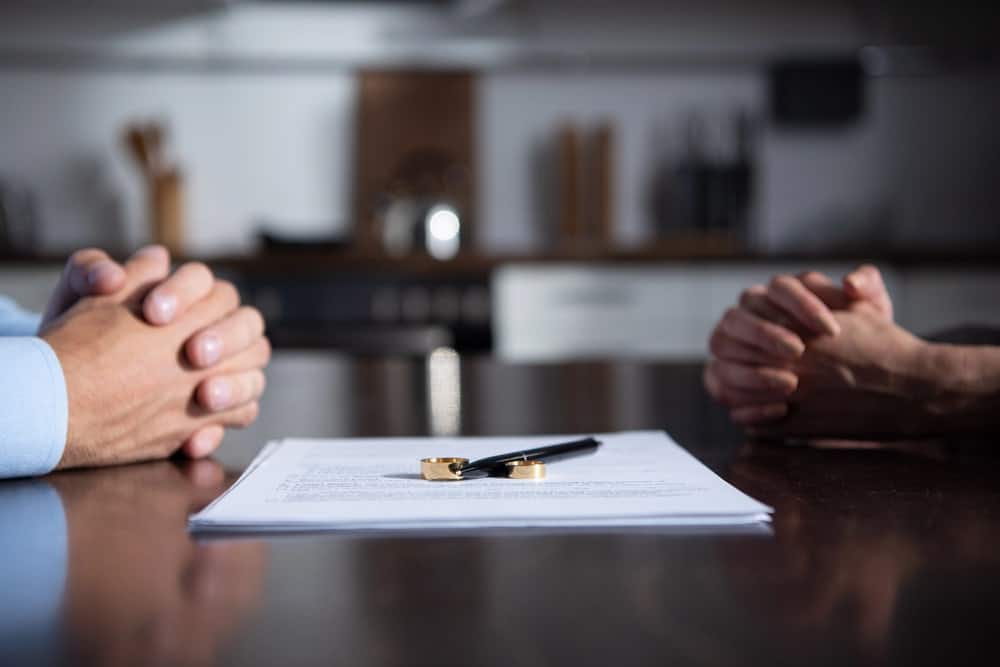

Can Your Spouse Stop an Absolute Divorce in Charlotte?
Your spouse’s refusal to agree cannot stop an absolute divorce, but disputes over separation dates or residency can require court review.
Does Your Spouse Have to Consent to a Charlotte Divorce?
North Carolina allows either spouse to pursue an absolute divorce after the required separation period without obtaining mutual consent or signing an agreement. Your spouse may refuse to sign an acceptance-of-service form, but you can arrange service through another legally authorized method. They can dispute whether legal grounds exist, but personal objections alone cannot defeat a divorce when the court establishes those grounds.
What Are North Carolina’s Requirements for Divorce?
You must live in separate residences for one continuous year, with at least one spouse intending the separation to be permanent. Sleeping in separate bedrooms within the same home does not qualify, and only one spouse must satisfy six months of state residency. Resuming marital relations can interrupt the separation period, although isolated sexual intercourse does not automatically restart the required one-year period.
How Do You File for Divorce Without Spouse Consent?
Filing for absolute divorce begins with a verified complaint in District Court, followed by legally valid service of the divorce papers.
Where Do You File Divorce Papers in Mecklenburg County?
You can start an absolute divorce case in North Carolina District Court by filing a verified complaint and required court documents. The complaint must establish separation and residency, while qualifying individuals may request permission to proceed without prepaying court costs. At 832 East Fourth Street, Mecklenburg County’s SelfServe Center provides court forms and procedural guidance, but not individualized legal advice.
How Do You Serve Divorce Papers on a Refusing Spouse?
Your spouse must receive legally valid service, but refusing an acceptance form does not prevent other authorized methods of delivering divorce papers. North Carolina permits service through a sheriff or qualifying registered or certified mail, although each method has specific delivery and proof requirements. If you cannot locate your spouse despite diligent efforts, publication may become available, but refusing voluntary acceptance alone does not justify publication.

What Happens When Your Spouse Ignores Divorce Papers?
Ignoring properly served divorce papers does not automatically prevent the case from proceeding, although the court must follow applicable procedural requirements.
Can Divorce Proceed When Your Spouse Does Not Respond?
A properly served spouse generally has 30 days to respond, while service by publication normally allows 40 days after first publication. Once the applicable period expires, you may request further court action, including summary judgment when the legal requirements are satisfied. The court must still establish grounds for divorce, and active military service may trigger additional protections before judgment.
What if Your Spouse Disputes the Date of Separation?
A Charlotte resident files for divorce after 14 months apart, but their spouse claims the separation began only eight months earlier. Because the court must establish the required separation period, dated records and witness testimony can help resolve conflicting accounts.
- Lease agreements: Rental documents may establish when one spouse moved into a separate residence and began living apart from the other.
- Address records: Updated driver’s licenses, postal records, or other dated documents may help establish when either spouse changed residences.
- Dated messages: Text messages or emails discussing the separation may help demonstrate when the spouses intended to begin living apart permanently.
- Witness testimony: People familiar with the spouses’ living arrangements may confirm relevant dates, separate residences, or any disputed reconciliation.
Which Financial Claims Must You Protect Before Divorce?
Before the court enters a divorce judgment, consider unresolved financial claims because certain rights may be lost if they remain unasserted.
Can You Lose Property Division or Alimony After Divorce?
Property division and alimony claims generally must be asserted before divorce judgment, although properly preserved proceedings may continue afterward. North Carolina law protects timely claims and recognizes limited equitable distribution exceptions involving publication service or jurisdiction. Existing alimony orders are not automatically extinguished by divorce, while child custody and support matters remain subject to separate legal requirements.
When Should You Consult a Charlotte Divorce Attorney?
You can file for divorce without an attorney, but unsuccessful service attempts or disputed separation dates may require additional legal procedures. Unresolved retirement accounts, marital property, shared debts, and potential alimony claims also warrant attention before the court enters judgment. An attorney can examine service records, assess disputed separation evidence, and identify financial claims requiring action before your divorce becomes final.

How Does a Charlotte Court Finalize Your Divorce Case?
Once the response period expires, the court can review the required evidence and determine whether the case qualifies for a final divorce judgment.
Can a Judge Grant Divorce Without Your Spouse Appearing?
A judge can grant an absolute divorce without your spouse appearing when proper service and the required legal grounds are established. Mecklenburg County permits qualifying summary judgment cases to proceed through judicial review of verified pleadings and supporting documents without witness testimony. The assigned judge may grant judgment, deny the request, or continue the matter when necessary documents or legal requirements remain unresolved.
When Is Divorce Final Without Your Spouse’s Signature?
Filing a divorce complaint and waiting through the response period do not end your marriage without a court judgment. Your divorce becomes final when the court enters the judgment, and your spouse’s signature is not required for that decision. Improper service or disputed legal grounds may delay judgment, so obtain a copy of the entered order before treating your divorce as final.
Contact a Charlotte Divorce Lawyer
Your spouse’s refusal to sign does not prevent divorce, but service difficulties, disputed separation dates, and unresolved financial claims require careful attention before judgment. A Charlotte divorce attorney can help address these issues while ensuring the necessary legal requirements are satisfied.
Harrawood Marquez & Walle handles divorce and related family law matters in Charlotte and Mecklenburg County. Our attorneys can help Charlotte clients address disputed separation dates, service difficulties, and unresolved property or alimony claims before the court enters a final divorce judgment. Contact us today or call us at (704) 800-3776 to schedule a consultation about your circumstances, preserve your financial rights, and complete the necessary steps toward divorce.